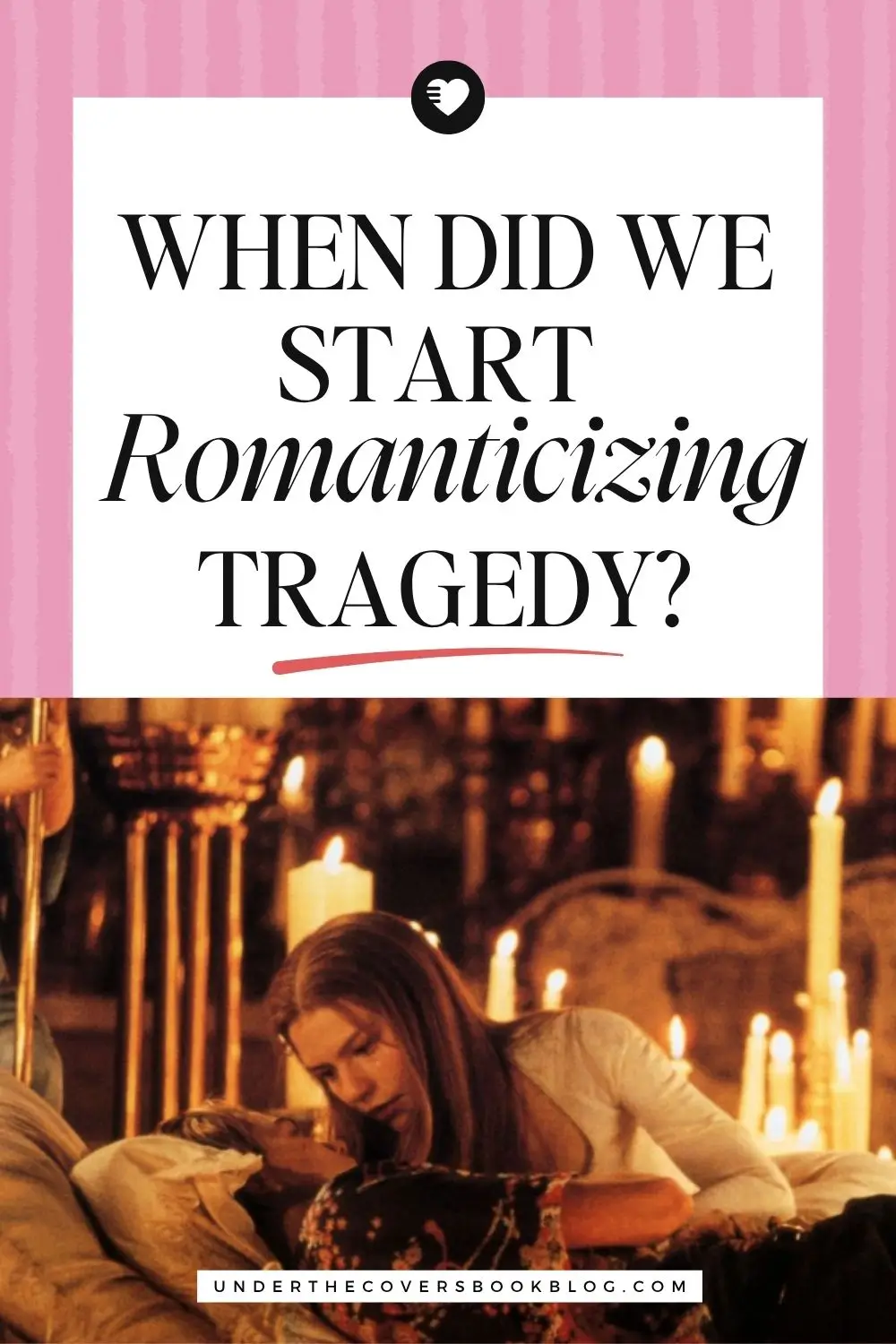
Did Romeo + Juliet (1996) Turn Millennials Into Romance Readers?

This post is part of the Once Upon a Genre series, where we dig into the history, evolution, and DNA of romance books. Because understanding where things came from makes you love them even more.
Baz Luhrmann’s Romeo + Juliet came out on November 1, 1996, and thirty years later I’m convinced it was a gateway into romance reading for a whole generation of millennial girls. Half of us had no idea what anyone was saying. But we understood the feeling.
What stayed with me was the whole package. Leo, the look, the music and the story all worked together in a way none of us had seen before. It ends in tragedy, and somehow that doesn’t take anything away from the high it leaves you with. It showed us a way to experience a love story and a tragedy that we’d never had, and it opened our eyes to what a story could do. That high is what I’m still chasing every time I open a book.
The old line about romance is that you already know how it ends. Everyone knows how Romeo and Juliet ends, too. We watched it anyway, and it still wrecked us.
This post contains affiliate links. That means we receive a small commission at no cost to you from any purchases you make through these links.
Love was supposed to feel enormous
Think about what this movie was doing in 1996. Leonardo DiCaprio at peak heartthrob status, Claire Danes looking like a Renaissance painting, and a director who decided Shakespeare needed guns, Hawaiian shirts, religious imagery and a soundtrack that could make a teenager dream. Nothing about it was subtle. Intentionally.
For girls growing up on teen magazines, MTV and the first internet fandoms, Romeo + Juliet made romance feel like the most important thing in the universe. Someone sees you across a crowded room and nothing else matters. That’s the emotional promise of half the romance on my shelves right now.
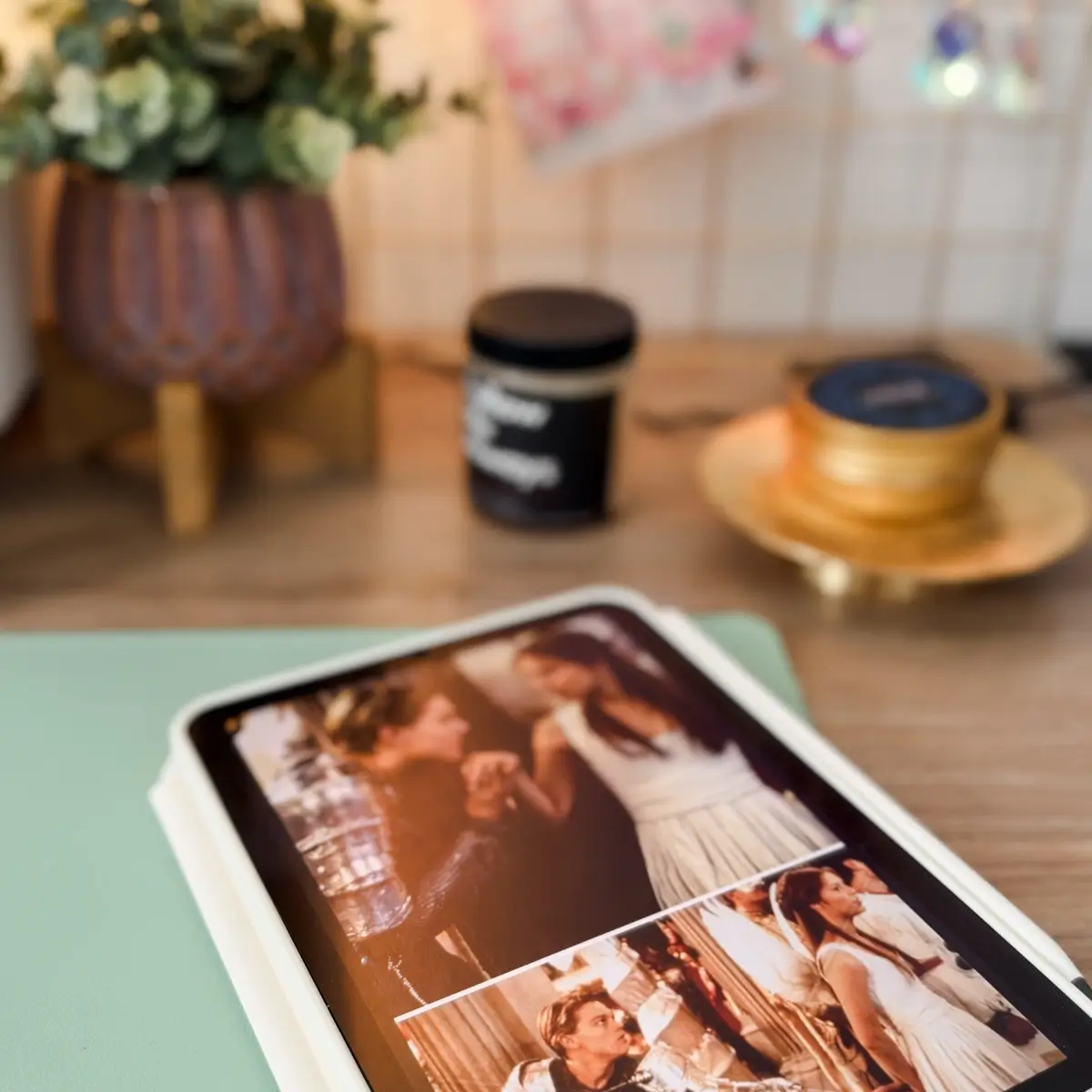
The aquarium scene might have rewired our brains
I’m only half joking. They’re separated by glass. They don’t know each other. There’s barely any dialogue. But with the music, the lighting and the eye contact, and the fish, we’re convinced. It’s instant recognition, two people who were always supposed to find each other.
That’s fated mates in the best representation. When I look at how much of romantasy runs on soul bonds, mating bonds and destiny, I wonder how many of us were already primed for it during that scene. Fated love is ancient. This movie gave our generation a picture for it.
The soundtrack was our first book playlist
Des’ree’s Kissing You over the aquarium scene. The Cardigans’ Lovefool. Garbage’s #1 Crush. Radiohead’s Talk Show Host. Those songs let us take the romance home. You could sit in your bedroom with the CD and feel all that longing.
That’s a big part of why we read romance. We want the intensity without the actual horrible things that happen in books sometimes. Nobody wants their family at war over their boyfriend. Reading about two people who would risk everything to be together, though? Sign me up.
Romantasy playlists, character edits and BookTok aesthetics can feel brand new. But we were already doing it with movie soundtracks and burned CDs.
It made tragedy feel romantic
At 13, two teenagers dying for love feels devastatingly romantic. At 35 or 40, you start wondering why nobody in Verona has basic conflict resolution skills.
And yet we still love people making terrible decisions because they’re desperately in love. Morally gray love interests, forbidden relationships, characters willing to burn a kingdom down for each other. Romantasy takes that intensity and changes the outcome, so love becomes the thing that beats the tragedy. Maybe that’s the ending we always wanted for Romeo and Juliet. I went play by play through how much of romantasy borrows from Shakespeare in Romantasy Is Just Shakespeare With Magic.
We have to talk about Leo
There’s no pretending the casting didn’t matter. For a lot of millennial girls, Leo was defining what a romantic hero looked like. And he wasn’t the stoic, emotionally unavailable type. Romeo cried. He yearned. He was dramatic and impulsive and, frankly, a disaster. He also wasn’t afraid to feel things.
I think there’s a straight line from that Romeo to why so many of us love emotionally intense heroes now. Whether they’d make healthy relationship material is beside the point. Their feelings are impossible to ignore, and in fiction that’s hard to resist.
Shakespeare in a language we already spoke
Luhrmann didn’t ask teenagers to care about Elizabethan theater. He put Shakespeare in a world we already lived in: music videos, celebrity culture, fashion, violence, teen rebellion and beautiful people being miserable. A centuries-old story in the emotional language of 90s youth culture.
Romantasy does the same thing now. Forbidden love, political marriages, warring families and supernatural destiny have been around forever. Every generation gets them repackaged for its own moment.
So did Romeo + Juliet make us romance readers?
I’m not going to claim one movie created a generation of romance readers. But look at the timeline. The girls who watched it in the late 90s grew up alongside the YA paranormal romance boom of the 2000s, then adult fantasy romance, then romantasy.
That doesn’t prove anything. It does make me wonder if we fell for romantasy because we’d already learned to find beauty in impossible, all-consuming love stories, or if people have always loved those stories and every generation finds its own version. My guess is both.
Frequently Asked Questions
When did Baz Luhrmann’s Romeo + Juliet come out?
November 1, 1996, starring Leonardo DiCaprio and Claire Danes. It turned 30 on November 1, 2026.
What songs are on the Romeo + Juliet soundtrack?
Some of the best known are Kissing You by Des’ree, which plays during the aquarium scene, Lovefool by The Cardigans, #1 Crush by Garbage and Talk Show Host by Radiohead.
Is Romeo + Juliet a romance?
By romance genre rules, no, because a romance needs a happy ending and this one ends in tragedy. It’s still a love story that shaped how a lot of us feel about romance, and plenty of romantasy borrows its feud and its intensity while letting the lovers live.
The high I’m still chasing
Thirty years later, I still look for that feeling in every book I open. Knowing how it ends and needing to watch it happen anyway. If you’re newer to the genre that grew out of all this, my romantasy guide for new readers is a good place to start.
Tell me in the comments what stayed with you from Romeo + Juliet. Was it Leo, the soundtrack, the aquarium scene or the whole thing at once?
Pin It for Later