

What Is a Book Genre? The Reader Contract You Didn’t Know You Signed

What is a book genre, and why does it matter? Genres are the contract between author and reader. Here’s what that contract looks like, why it gets broken, and how to avoid book disappointment.
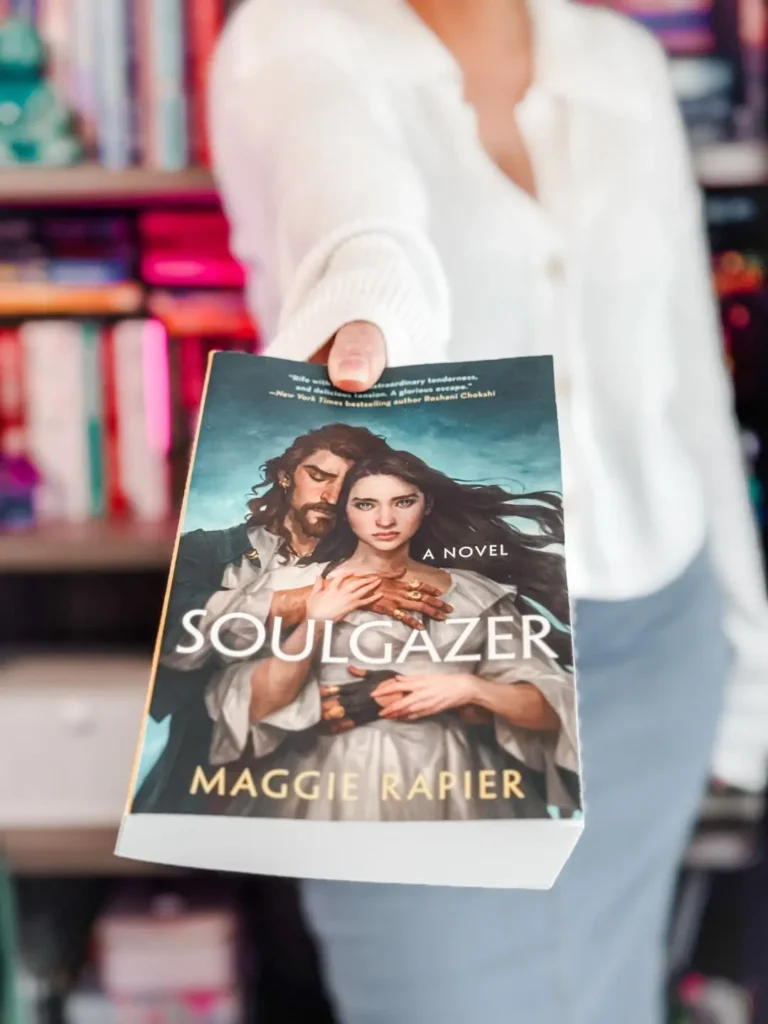
What Is a Book Genre and Why It Matters
You know the feeling when you finish a book and you’re not even sure you disliked it, but you still feel annoyed? Not “that ending wrecked me” kind of annoyed. More like “why did you make me think I was getting one thing and then hand me something else?” annoyed.
That’s not you being picky. That’s you noticing a broken contract.
Genre is the contract between author and reader. It’s the quiet agreement that says: here’s the kind of story this is, here’s what I’m going to prioritize, and here’s the payoff you can reasonably expect if you come along for the ride.
When that contract is honored, even a messy book can be fun. When it’s broken, even a well-written book can feel like a waste of time, because you didn’t consent to that experience.
If you want to stop DNFs caused by mislabels, grab the free 3-day Genre Decoder series. It teaches you what each genre guarantees and the red flags that tell you it won’t deliver. Sign up for the Genre Decoder email series here.
This post contains affiliate links. That means we receive a small commission at no cost to you from any purchases you make through these links.
What is a book genre?
A book genre is a way of grouping stories that share a central promise. That promise includes the core story engine, the emotional experience, and the kind of ending or resolution the reader is here for.
Genre is not just a vibe. Genre is the reason you pick up one book when you want comfort and a totally different book when you want to be emotionally destroyed in a fun way.
If you want a simple practical book genre definition you can actually use, it’s this: A book genre tells you what the story is trying to deliver and what rules it plans to play by.
Those rules aren’t about whether a book has dragons or kissing or a detective with a tragic past. Those are ingredients. Genre is the meal.
Genre is a contract, not a label
Let’s talk about the contract part, because this is where readers get burned.
When you pick up a romance, you’re not just expecting chemistry. You’re expecting the relationship to be the main plot, and you’re expecting a satisfying ending for that relationship. Many romance readers specifically expect a happily ever after or at least a happy for now. If the couple does not end up together in a way that feels emotionally complete, the contract is broken.
When you pick up a fantasy, you’re expecting an adventure shaped by the rules of an invented world. You want immersion. You want a sense of scale, whether that means a quest, a war, a magical mystery, or a chosen-one mess. Even when fantasy is character-driven or romantic, readers generally expect the world and its conflict to matter, not just sit in the background as aesthetic wallpaper.
When you pick up a mystery, you’re expecting a question that gets answered. A crime, a disappearance, a suspicious death, a fraud, a secret that functions like a puzzle. You’re there to watch clues stack up and to feel that click when the solution lands. A mystery that never resolves the central question is not “bold.” It’s unfinished business.
These expectations are not rigid. They’re not there to limit creativity. They exist because reading is an investment. Time, money, attention, emotional bandwidth. Genre is how readers decide whether they want to make that investment.
Now we also have subgenres which are the “fine print” on the genre contract. They keep the core promise the same, but narrow the vibe, pacing, and rules. A romance still delivers a satisfying romantic ending, but romantic suspense adds danger, and paranormal romance adds supernatural creatures. If you want the full hierarchy, I break down here all the difference between category, genre, subgenre and trope.
Why book genres matter
As you may have figured out already, genre matters because it protects reader trust.
The book world is built on recommendations. Friends. BookTok. Reviewers. Book clubs. The “if you liked this, try this” rabbit holes that accidentally eat your lunch break. All of that only works when we share a basic understanding of what a genre promises.
Genre also matters because it helps you choose books based on your actual needs, not what you think you should be reading. If your brain wants a clean resolution, choosing a mystery over a literary character study is not a moral failing. If your heart wants certainty, choosing romance is not “predictable.” It’s smart.
And from a practical standpoint, genre matters for discovery. Bookstores shelve by genre. Libraries catalog by genre. Online retailers and algorithms recommend based on genre metadata and reader behavior. When a book is labeled correctly, it finds its people. When it’s labeled wrong, it gets thrown into the wrong crowd and then everyone argues in reviews about things that were never the point.
How the genre contract gets broken
Most genre disappointment is not about bad writing. It’s about mismatched expectations. Here are the most common ways the contract snaps in half.
The book is marketed as a different genre than it actually is
This happens all the time, especially with genre blends (or when publishers are chasing a trend and trying to fit a circle into a square). A publisher wants a wider audience, so the book gets packaged to appeal to more people (or a specific type of reader). The cover and blurb will lean to romance, but the story is mostly women’s fiction with a complicated ending. The blurb leans thriller, but the pacing is slow and the tension is more atmospheric than urgent.
The book might still be good. But the reader walked in expecting one experience and got another.
Would you like to save this?
The book has the ingredients of a genre but not the engine
A romantic subplot does not make something a romance. A dead body on page ten does not make something a mystery. A magical element mentioned twice does not make something fantasy in the way most fantasy readers mean it.
Readers can forgive a lot, but they notice when the supposed main event isn’t actually the main event.
The ending violates the genre promise
Endings are where genre is most obvious.
If a romance ends without a satisfying resolution for the couple, like one of them dies for example, romance readers feel cheated. If a mystery ends without answering the core question, mystery readers feel like they got tricked into doing homework with no answer key. If a fantasy ends by abandoning the central conflict, fantasy readers feel like the adventure stopped halfway through and everyone went home.
It’s not that every ending has to be neat. It’s that the book has to pay off what it asked readers to care about.
Want the shortcut? The free 3-day Genre Decoder series will help you learn how to spot a mismatch fast, including romance rules, speculative fiction basics, book club fiction, and a better understanding of genres. Sign up for the Genre Decoder email series here.
How to use genre to avoid disappointment
You shouldn’t have to do detective work to find a book that delivers what it promises. But until publishing stops being messy, and frankly readers stop mislabeling too, here’s the simple way to protect your time.
Look for the central question
Ask yourself: what is this book truly about? If the central question is “will they end up together,” that points toward romance. If the central question is “who did this and why,” you’re in mystery territory. If the central question is “how do we survive what’s coming,” you’re drifting into thriller or suspense. If the central question is “how does this world work and what does it demand,” fantasy is probably the engine. And if the central question is “how will the character rebuild her life after tragedy?”, you’re in the women’s fiction space.
The central question will show up in the blurb, the first chapters, and the way readers describe the book when they loved it.
Pay attention to how readers categorize it, not just how it’s sold
Marketing copy is written to attract. Reader language is written to explain. When reviews consistently say “this is more of a slow burn character study” or “the romance is very secondary” or “the mystery element is light,” believe them. That’s not negativity. That’s helpful genre translation.
Learn your personal non-negotiables
This is the underrated part. Your dealbreakers matter. If you need a happy ending, prioritize genres and subgenres that reliably deliver that. If you hate unresolved endings, avoid books described as ambiguous. If you don’t want graphic violence, be cautious with certain thrillers and dark fantasy. Maybe stick to cozy mysteries and even cozy fantasy. Genre won’t tell you everything, but it will get you close enough to make smarter choices.
The bottom line
A book genre is not an aesthetic. It’s a promise. Genre is the contract that helps you choose the right book for your mood, helps books reach the readers who will actually enjoy them, and explains why a perfectly decent book can still feel like a letdown if it didn’t deliver what it implied.
Want the rest of the Genre Decoder series delivered in order? Join the free 3-day emails here
Pin It for Later

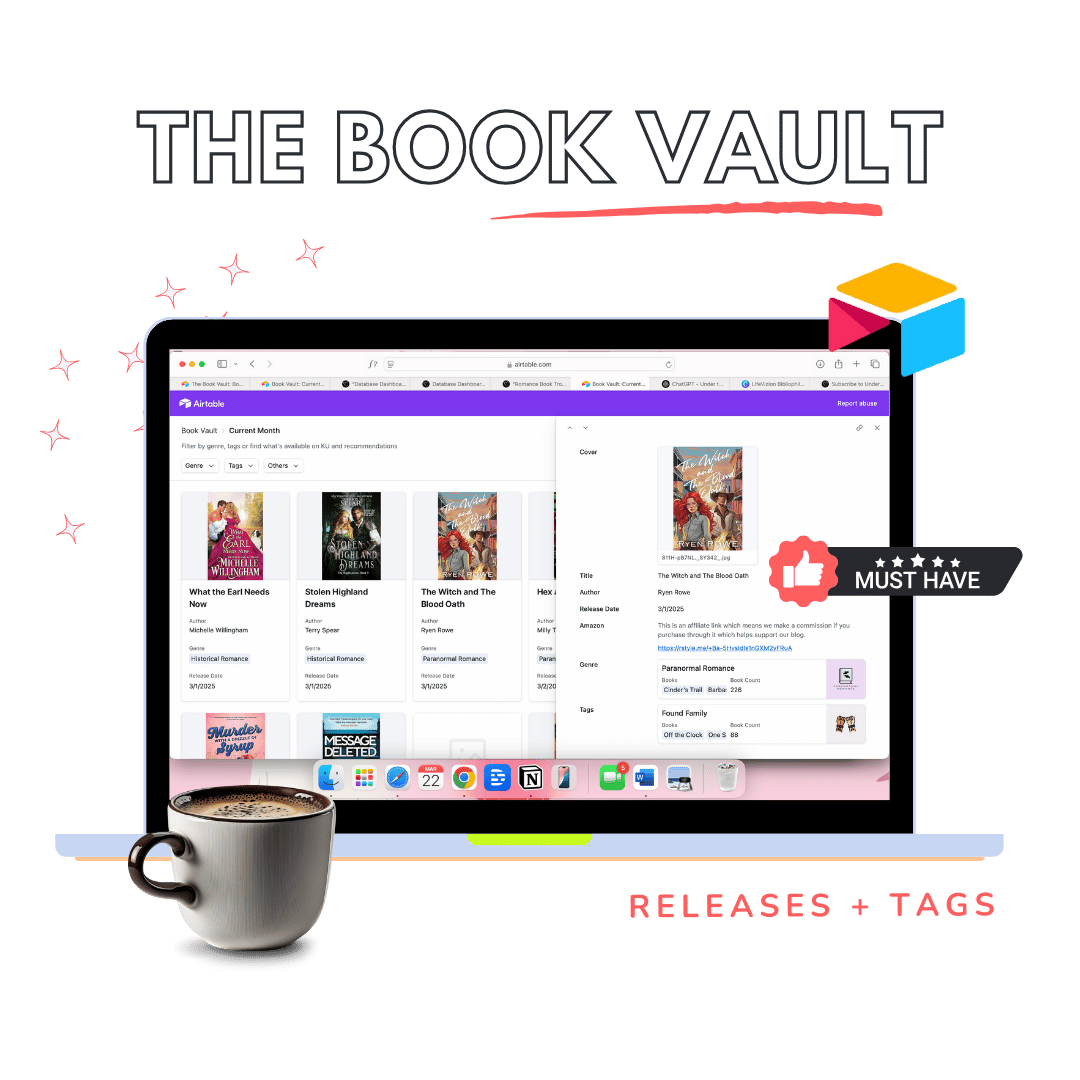
WANT MORE BOOK RECS?
Access the Book Vault
Now completely free for everyone! All the new releases and books featured on the blog and you can filter them by genre and trope. Browse: this week’s new releases, upcoming new releases, and more.
