

Kathleen E. Woodiwiss: The woman who made historical romance a blockbuster
The complete Kathleen E. Woodiwiss author guide for romance readers: her life, why she changed historical romance, what her books are like, and where to start reading her.


Kathleen E. Woodiwiss Author Guide
Kathleen E. Woodiwiss is a must read author, and if that sounds dramatic, it’s because she helped lock in the romance novel blueprint we still recognize today. Kathleen E. Woodiwiss didn’t slide into romance history politely. She kicked the door in with a 600-page historical, a publisher willing to take a ridiculous gamble, and the kind of reader obsession that turned “romance novel” into a mass-market event.
If you’re here because The Flame and the Flower just became your book club pick, welcome. If you’re here because you typed her name into Google and thought, wait, why does everyone talk about her like she invented the genre, also welcome.
Let’s talk about Kathleen E. Woodiwiss. The story, the stakes, the why it still matters.
This post contains affiliate links. That means we receive a small commission at no cost to you from any purchases you make through these links.
Who was Kathleen E. Woodiwiss?
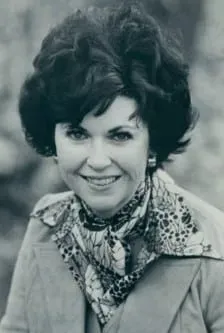
Before she was Woodiwiss, the romance legend, she was Kathleen Erin Hogg, born June 3, 1939, in Alexandria, Louisiana. She grew up in a big family and a life that was not especially glamorous on paper. Then she fell hard at sixteen at a dance, married Air Force lieutenant Ross Woodiwiss the next year, and spent the following decades living the constantly in motion military-wife life.
One of the most telling details is also the most romance-reader detail: they lived in Japan for a stretch, and she wrote anyway. Later, the family settled in Minnesota. That matters because the image most people have of the author who changed romance is basically the opposite of what she presented. She leaned into the idea of being ordinary. In interviews, she talked about being a housewife who liked home life. And then she would publish a book that sold like wildfire.
The moment everything changed: The Flame and the Flower (1972)
Here’s the short version of the origin story, and it is almost too perfect to be real.
Woodiwiss wanted a romantic book she actually enjoyed. She couldn’t find it, so she started writing one. She wrote while raising kids, doing household stuff, and squeezing creative work. She finished a massive manuscript, around 600 pages.
Hardcover publishers rejected it. Too long. Too much. Not the shape the market expected. So she didn’t “revise to fit the rules.” She sent it to paperback publishers. And Avon bought it. Editor Nancy Coffey reportedly believed it was a hit and backed it with an initial 500,000 print run. That is a publisher saying, we think romance readers are going to show up so hard we need half a million copies ready to go.
And then they did.
In the years that followed, The Flame and the Flower became the reference point people name when they talk about the modern historical romance boom. It sold in the millions and proved something the industry had not fully accepted yet: romance readers were hungry for big stories, big feelings, and relationships that took up the whole book.
What Woodiwiss did differently
Woodiwiss did not invent romance. She did not invent sex in fiction. What she did was change what mainstream romance publishing believed it could sell and is widely recognized as the “mother of the modern romance novel”.
She made romance feel epic
A Woodiwiss book is not a delicate little courtship. It’s a sweeping emotional ordeal. These novels are long, immersive, and built on escalation. Something happens, then something worse happens, then something so dramatic you have to put the book down and stare into the distance.
She put the relationship at the center
Before Woodiwiss, plenty of popular romantic fiction existed, but a lot of it treated the romance as a thread, not the whole story. Woodiwiss wrote the relationship as the driving force. The plot is not “and also there is love.” The plot is love under pressure, love in conflict, love surviving social consequences.
She helped move romance into the bedroom, in a mainstream way
Woodiwiss is often credited as part of the shift toward more explicit intimacy in romance sold to mass-market readers. Not because no one had written explicit scenes before, but because she helped make it normal for this genre, for this audience, at this scale.
And here’s the twist that makes her even more interesting: she didn’t love being labeled “erotic.” She described what she wrote as love stories, not obscenity. She was a traditionalist in her own way. She wanted romance, not shock. That tension is very Woodiwiss: the catalyst for a change she did not necessarily want to be defined by.
The heroes are very alpha, very of their era
Her heroes are intense. Dominant. Stubborn. Protective in ways that can look romantic, alarming, or both, depending on your personal reading preferences and your tolerance for vintage romance dynamics.
Would you like to save this?
The heroines are built for survival
Woodiwiss heroines are often brave and resilient, but they are also operating inside the constraints of the time period. Money, reputation, legal realities, and social power matter. A lot of the tension comes from a heroine trying to keep her footing in a world that does not hand her easy options.
You are reading a time capsule
A practical note: some older historical romances include relationship dynamics and sexual content that many modern readers find upsetting. That is part of the era and part of the conversation around it. If you love vintage romance, you may already expect it. If you are new, it helps to know you what you’re getting into.
Why Woodiwiss still feels familiar (even when the tropes change)
If you’ve ever read a romance that hits the same emotional beats no matter the setup, marriage of convenience, enemies to lovers, whatever, you already know the template. The meet. The spark. The complication. The moment you think absolutely not, this cannot work. The turning point. The rush toward an ending that feels earned.
Woodiwiss is one of the reasons that rhythm feels so familiar.
People credit her with helping lock in the modern historical romance model: a full-length, couple-focused story that follows two people from their first meet all the way to the happily ever after. In an Associated Press obituary, RWA spokesperson at the time Nicole Kennedy said Woodiwiss “really dealt with the relationship of the couple, from their first meeting to falling in love and ending up happily ever after.”
That sounds obvious now because romance has trained us to expect it. But it wasn’t always the default in mainstream romantic fiction. Woodiwiss helped prove that readers didn’t just want romance in the story. They wanted the romance to be the story, with enough pages for the relationship to break, bend, and come back together in a way that felt inevitable.
A lot of what we instinctively accept as “this is what a romance novel feels like” got normalized at blockbuster scale because Woodiwiss showed publishers it would sell.
Where to start with Woodiwiss
The smartest move is to start with the books most tied to her impact.
If you want the “this changed everything” read
Start with The Flame and the Flower (1972). It’s the historical marker, for better and for messier.
If you want the classic Woodiwiss experience after that
Most readers go next to The Wolf and the Dove and Shanna, then Ashes in the Wind. Those early blockbusters are where you see the template forming and the fandom building.
If you want the full publication list and the connected Birmingham family saga reading order, you can find all Kathleen E. Woodiwiss books in order here.
Why she still matters now
Woodiwiss is still a reference point because she did something that’s rare: she expanded the market.
She proved romance readers would buy longer books. She proved they would show up for a love story as the whole point, not a subplot. She helped normalize a bolder, more immersive form of historical romance, and the genre never fully went back.
Even her contradictions matter. The author who helped open the door to steam insisted she wasn’t writing “dirty” books. The woman who presented herself as ordinary wrote stories that were anything but.
And that’s the real reason she belongs in your romance education. Woodiwiss is not just a name on a retro paperback. She is a hinge point. The genre before her and the genre after her are not the same.
If you want to explore more foundational stories in the evolution of the romance genre, check out my full series Once Upon a Genre. But if you want more hits from the past, don’t miss the best 1970s romance novels.
Pin It for Later


WANT MORE BOOK RECS?
Access the Book Vault
Now completely free for everyone! All the new releases and books featured on the blog and you can filter them by genre and trope. Browse: this week’s new releases, upcoming new releases, and more.
